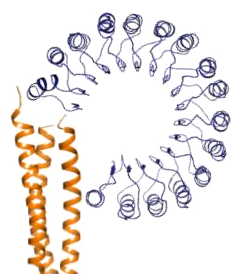
Structural target
The target surface, or epitopes on it, provides the reference for generating, positioning and evaluating binder candidates.
AI-driven protein design for more stable proteins that are easier to produce.
We combine bioinformatics, structural biology, physics-based modeling and modern AI methods in protein design to engineer optimized molecules. This helps increase the probability of success in our customers' development projects, shorten development timelines and make the process more efficient and cost-effective.
In silico methodology
Years scientific experience
Data-driven insights
ProtoVela combines decades of scientific experience and expertise in structural biology and bioinformatics with modern in silico methods and artificial intelligence — delivering tangible results without the time and cost burden of a wet lab for sequence optimization.
Targeted optimization of stability, expression and biophysical properties.
ProtoVela uses modern in silico methods and structure-based design to optimize protein sequences for higher stability, improved expression and optimal biophysical properties. This yields better-performing proteins while efficiently accelerating our customers’ process development.
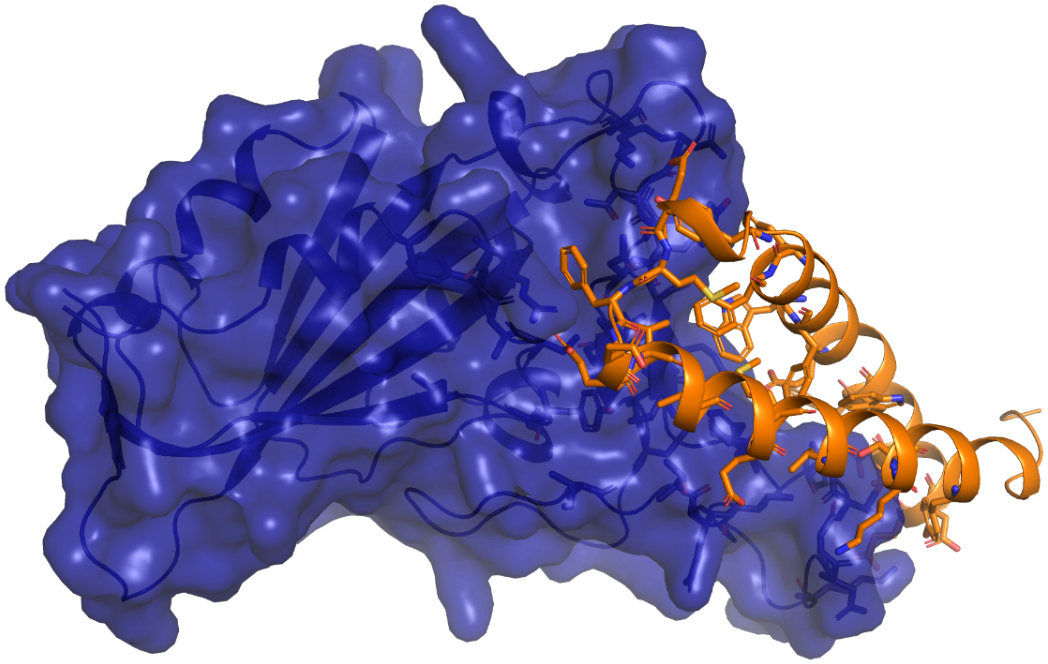
Tailored binders for defined target-protein surfaces.
Using advanced AI-driven methods, ProtoVela develops tailored miniproteins with high affinity and specificity for defined surface structures on target proteins. These compact, purpose-designed proteins offer an innovative alternative to conventional antibodies and open new possibilities in biotechnology, diagnostics and therapeutics.
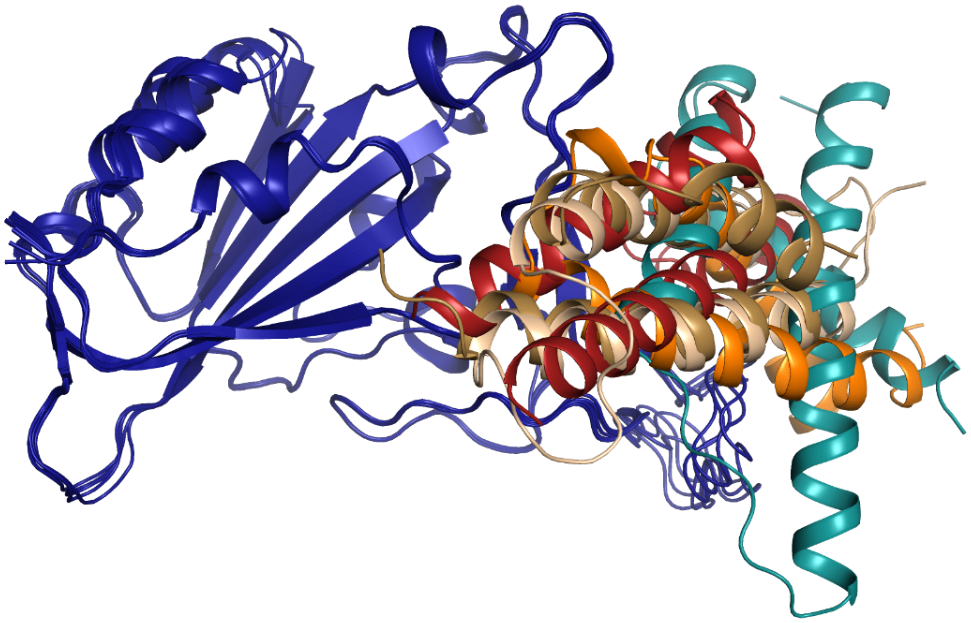
Integrated analyses from sequence and structure to dynamics and function.
Comprehensive bioinformatic analyses of customer proteins, physics- and AI-based structure modeling, and mutation and stability analyses of peptides, soluble proteins, membrane proteins and biomolecular complexes are complemented by analyses of conformational spaces, protein dynamics and structural states. This provides detailed insight into structure–function relationships and molecular properties.
Computational design reduces the search space, prioritizes promising candidates and prepares focused experimental validation in collaboration with Trenzyme.
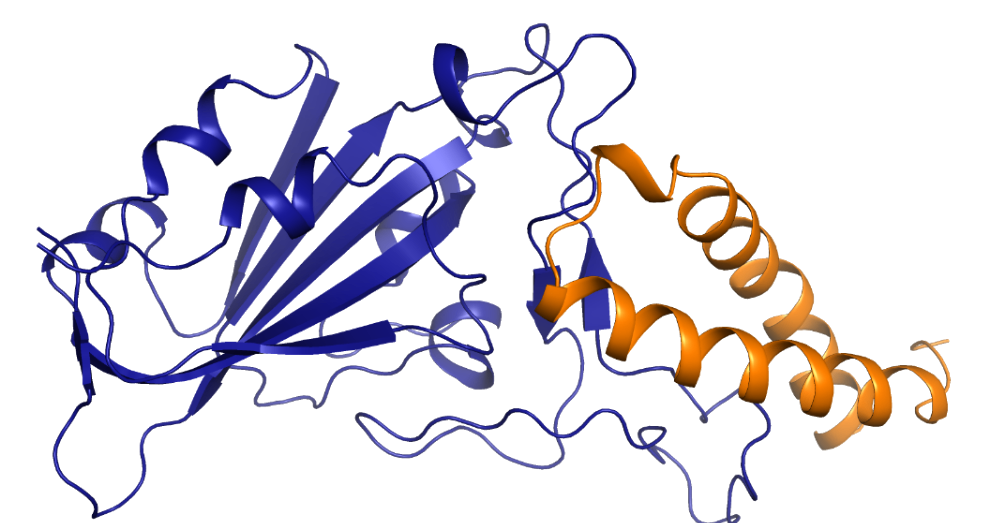
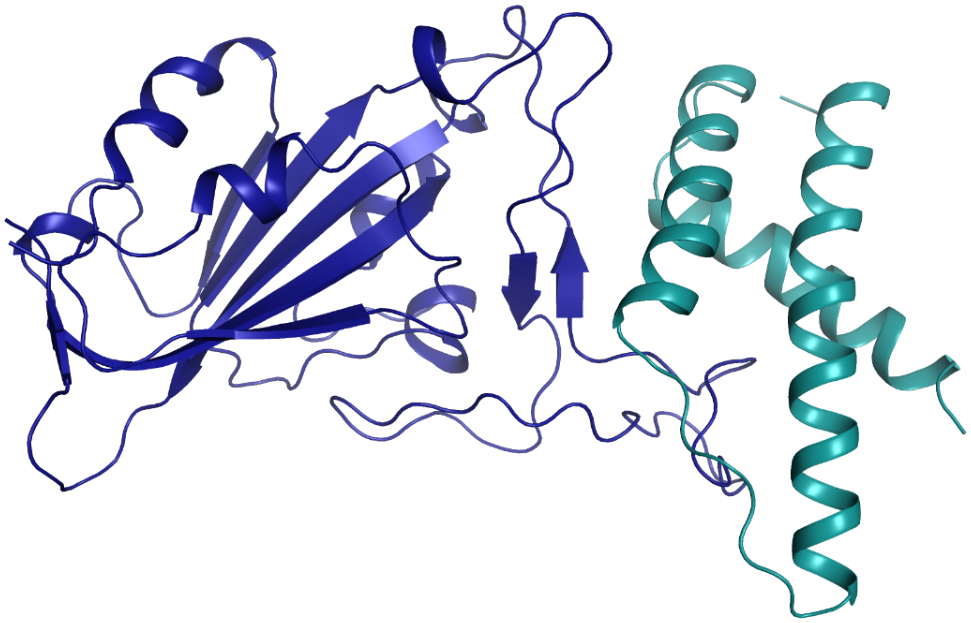
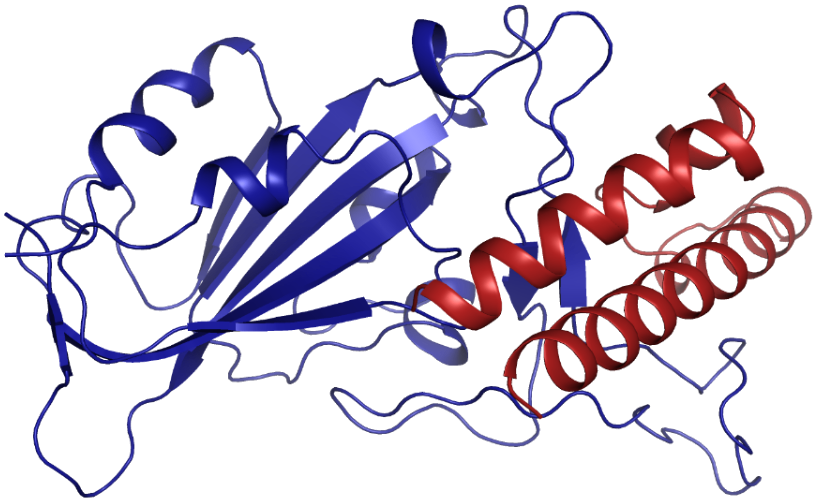
From the structural target through binder generation and optimization to experimental binding characterization by ITC.
The target surface, or epitopes on it, provides the reference for generating, positioning and evaluating binder candidates.
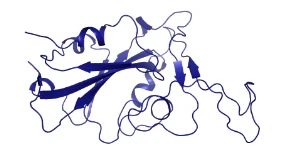
The target surface, or epitopes on it, provides the reference for generating, positioning and evaluating binder candidates.
An anonymized example from industrial protein-design work: a design approach now used at ProtoVela was applied to a hydrolase scaffold and yielded expressed variants with improved stability for eleven of the twelve selected sequences.
Project from the earlier industrial work of ProtoVela’s scientific director, Dr. Kornelius Zeth. The underlying design methodology is now used at ProtoVela.
Eleven of the twelve selected sequences were successfully expressed in the host system.
The top design increased the melting temperature (Tm) by 10 °C compared with the parent.
The best variant achieved up to 2.7 times the parent’s expression yield.
From client sequence to delivered, ranked sequence set.
ProtoVela is an emerging biotechnology startup with deep expertise in protein structures, structure-based protein design, and bioinformatics.
We favor rational protein design over directed evolution, leveraging advanced in silico approaches to improve protein stability, expression, and handling. Our methods are built on years of scientific experience and are designed to deliver tangible results that can be validated by our partners in experimental environments.
Classical directed evolution often meant screening hundreds of thousands of variants. With AI-driven design, a few dozen carefully selected candidates are usually enough to reach comparable or better results.
Directed evolution used to require screening in the range of 100,000 variants. Modern AI-driven design typically narrows this to a few dozen carefully chosen sequences that actually go into expression.
Optimized sequences routinely reach two to three times the recombinant expression yield of the parent sequence in typical projects.
For enzymes and functional proteins, activity improvements of 10× to 100× are realistic — depending on target profile and starting protein.
Indicative ranges from project experience · results depend on system and target profile
Send us a non-confidential summary of your goal. After agreeing an NDA and secure data-transfer route where needed, we assess which optimization goals are realistic, how to prioritize them and what a fine-tuning project would look like. Only then do you decide whether to commission a paid engagement.
Quick answers about ProtoVela's protein engineering services, methods and partnerships.
Developments in structural biology, AI-assisted protein design and biotech ecosystems.
The 2024 Nobel Prize in Chemistry marked a turning point: computational protein design and protein structure prediction have become central technologies for modern biotech innovation.
Directed evolution and rational design are often framed as competing paradigms. In practice, strong protein engineering programs combine both.
Cryo-EM, X-ray crystallography, NMR, mass spectrometry and computational modeling form the analytical backbone of structure-informed innovation.
Services, scientific evidence, team expertise and a direct path to project assessment.
Services, molecule classes and scientific application areas in detail.
Principles, optimisation targets and the eight-step design process.
Team, location and scientific leadership behind ProtoVela.
Field notes on AI, structural biology and protein design.
Book a free intro call and Project Assessment.